
The SARG Committee is dedicated to guiding our mission, ensuring effective collaboration, and supporting our vital work. Comprising experienced professionals from diverse backgrounds, our committee members bring expertise, leadership, and a shared commitment to making a difference. Get to know the team driving SARG forward.
Meet the Scottish Autism Research Group Committee
My research area is interested in linking core social and cognitive processes to health and wellbeing outcomes for autistic communities and also in other neurodiverse groups (i.e. ADHD, intellectual disabilities, neurodevelopmental disorders). I am also interested in other extraneous variables (i.e. parental coping, teacher efficacy and trauma) and the role they may play in the relationship between socio-cognitive processes and mental health outcomes. My work focuses on the impact of inclusion of individuals within the community, specifically education and adult services. Additionally, I have carried out cross cultural research looking at different pedagogical approaches in inclusive education, as well as working directly with teachers in assessing their knowledge and attitudes towards inclusive education. More recently, I have addressed some of the inequalities in education and access to services, particularly in the wake of the COVID-19 pandemic.
I am interested in social cognition and mental health in neurodivergent groups, specifically Autistic groups and groups who have Intellectual Disabilities. As part of my research I not only explore the underpinning mechanisms that contribute towards poor mental health in these groups but I also consider wider contextual factors such as relationships, coping, and trauma. I co lead the Eating Disorder and Autism Collaborative, which is a project bringing together autism researchers and eating disorder researchers to increase research capacity in this area. Please see our EDAC website here: https://www.edacresearch.co.uk
. I am also Director of the Child and Adolescent Mental Health Research (CAMHR) Centre in Clinical Psychology at the University of Edinburgh, Child and Adolescent Mental Health Research (CAMHR) Centre, Health in Social Sciences.
. I am also Director of the Child and Adolescent Mental Health Research (CAMHR) Centre in Clinical Psychology at the University of Edinburgh, Child and Adolescent Mental Health Research (CAMHR) Centre, Health in Social Sciences.
My research interests primarily relate to mental health in neurodivergent groups specifically autistic groups in three areas: emotional psychology, an emotion-focused-experiential approach to psychotherapy and counselling, and trauma and post-traumatic growth. I’m the Director Post-Graduate Research for Strathclyde Institute of Education. I lead our PhD Applied Autism Research and EdD (Autism) specialist pathway. I co-lead our Health & Wellbeing research theme and lead the Trauma Research: Trauma-Informed Pedagogy & Healing subtheme at the University of Strathclyde. I’m involved in several interdisciplinary projects including, #CATS Creating Autistic Trauma Stories (funder John & Lorna Wing Foundation); Emotional State Estimation for Neuro-Emotion-Focused Group Therapy (funder ESRC) with the EEE department, and 'Because we Care' exploring the lived experiences of siblings of children with life limited conditions (funder AHRC) https://www.becausewecareproject.com/
I am a PhD student based at the Laboratory for Innovation in Autism at Strathclyde and the Researcher in Residence at Scottish Autism. I have a background in developmental psychology and experience working across healthcare, educational and care settings, supporting autistic individuals in a variety of contexts. These experiences have shaped my commitment to research that is practice-informed and responsive to the contexts in which support and education are delivered.
My research explores the interplay between intense interests in autism and primary educational environments. I am particularly interested in how these interests are meaningfully embedded into curricular activities to support engagement, motivation and scaffold learning. Through this research, I aim to identify practical strategies that educators can use to enhance the learning trajectories of students by honoring and incorporating their passions.
In my role at Scottish Autism, I support inclusive, participatory research across a variety of projects that seek to align academic inquiry with the perspectives and priorities of the autistic community.
My research explores the interplay between intense interests in autism and primary educational environments. I am particularly interested in how these interests are meaningfully embedded into curricular activities to support engagement, motivation and scaffold learning. Through this research, I aim to identify practical strategies that educators can use to enhance the learning trajectories of students by honoring and incorporating their passions.
In my role at Scottish Autism, I support inclusive, participatory research across a variety of projects that seek to align academic inquiry with the perspectives and priorities of the autistic community.
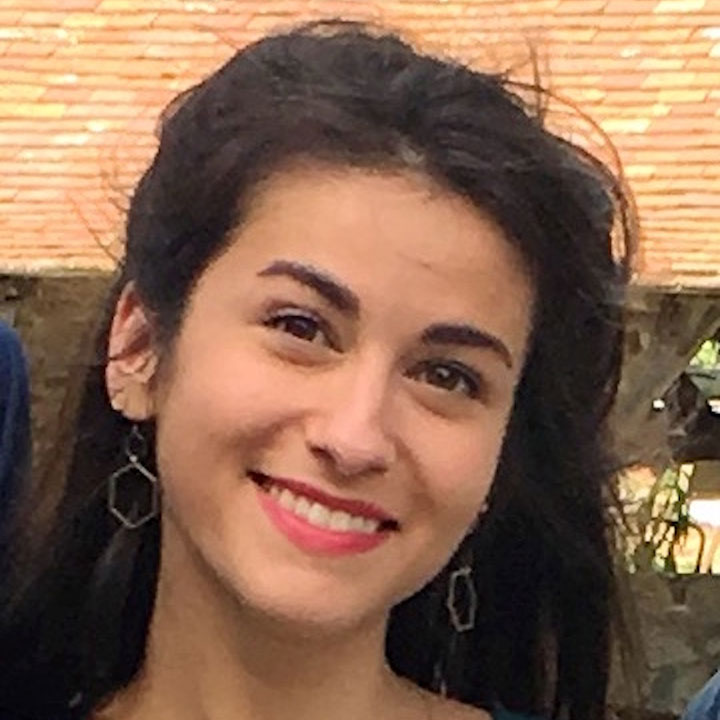
I am a post-doctoral research fellow at the University of Edinburgh researching neurodiversity. I am currently working on project focused on the live experiences and the cognitive profiles of aphantasic and hyperphantasic people. Before this post, most of my research, including my PhD, focused on understanding how bilingualism shapes the life, mind, and brain of autistic people using mixed methods. I have also conducted or supervised studies on camouflaging strategies, mental health, healthcare, and intersectionality within different neurodivergent populations. I am passionate about public engagement and science communication, so I have taken part in many sci com events and I have created several information resources for non-academic audiences.
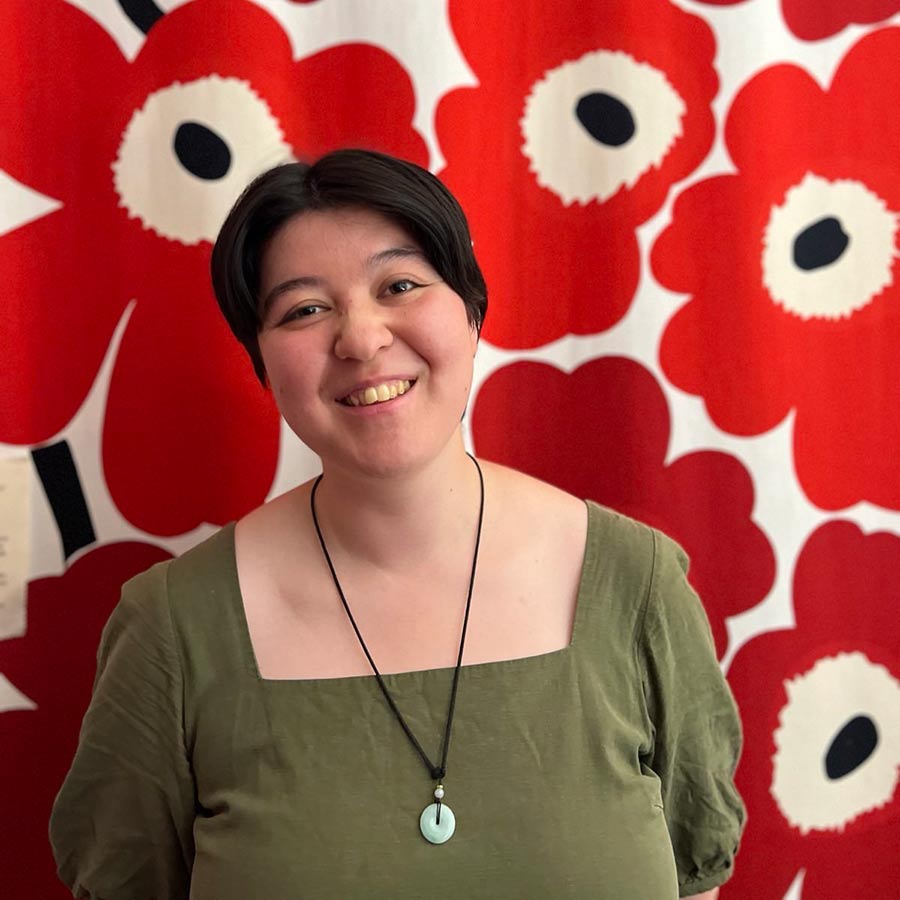
Her research explores school staff and neurodivergent students’ experiences with multi-sensory environments using community-informed and participatory approaches. Kyleigh is also a Research Associate for the Engage with Developmental Language Disorder (E-DLD) Project (University of Bath, City St George University of London, Curtin University and University of Cambridge). Prior to her PhD, Kyleigh worked as a Special Education Needs (SEND) educator in England for the past 8 years in public and private education and the third sector, specialising in working with autistic children and young people with co-occurring ADHD, dyslexia, socio-emotional mental health needs, profound and multiple learning disabilities, speech and language needs, and Down Syndrome. Her experience of teaching neurodivergent students, and her lived experience as a relative and friend to neurodivergent individuals motivates her passion in conducting research with and for neurodivergent communities. Kyleigh has further supported research projects as a Research Assistant and Research Coordinator on children's rights legislation, attitudes towards ethnic diversity, the impact of Covid-19 on adult mental and physical health, play and children’s socio-emotional wellbeing during Covid-19, and widening participation in higher education.
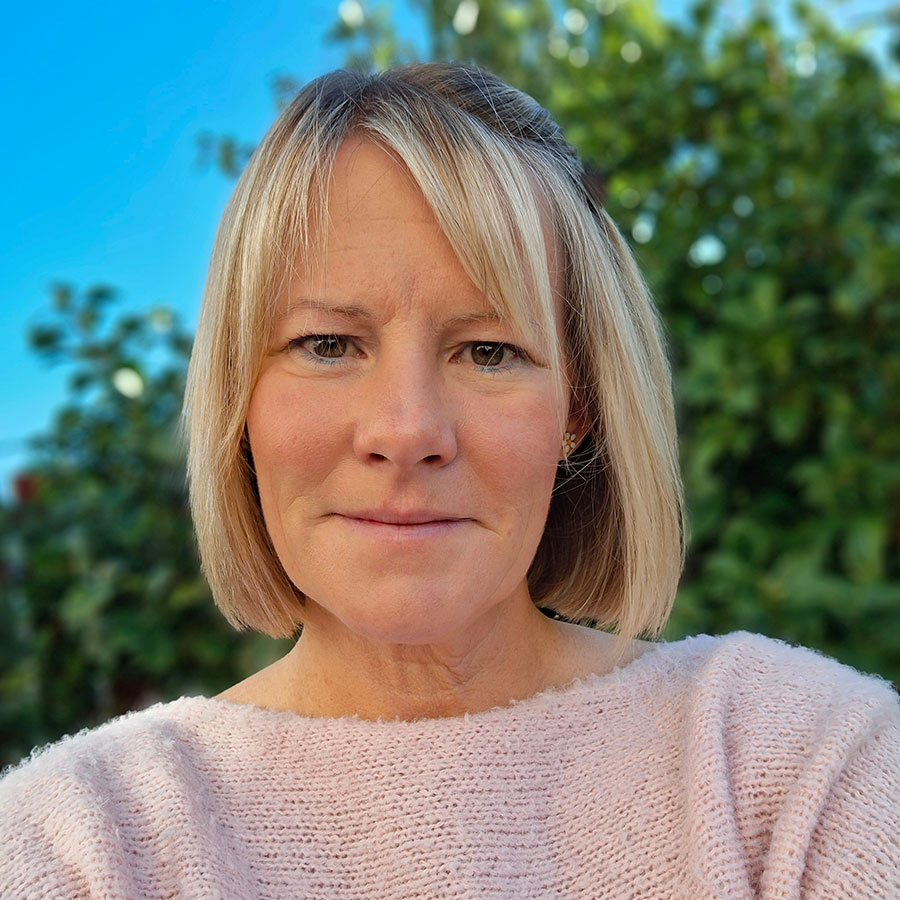
I am a mental health nurse lecturer and neurodiversity lecturer at the University of the West of Scotland, where I am also a part-time PhD student. My background is in child and adolescent mental health, and I have worked closely with neurodivergent young people and their families, supporting them as they navigate co-occurring mental health difficulties.
These clinical experiences have directly inspired my current PhD research, which explores the impact of co-occurring autism and eating disorders on the family unit, with a particular focus on whether there is a need for specific, tailored family support. I am also leading the development of an MSc Neurodiversity programme at UWS, which has been designed in conjunction with the neurodivergent community to ensure it is relevant and inclusive.
I am passionate about learning and development, and I am excited to contribute to the further development of autism research. My aim is to bridge the gap between academic research, clinical practice, and lived experience, and to help shape neurodiversity-informed approaches within health and education.
These clinical experiences have directly inspired my current PhD research, which explores the impact of co-occurring autism and eating disorders on the family unit, with a particular focus on whether there is a need for specific, tailored family support. I am also leading the development of an MSc Neurodiversity programme at UWS, which has been designed in conjunction with the neurodivergent community to ensure it is relevant and inclusive.
I am passionate about learning and development, and I am excited to contribute to the further development of autism research. My aim is to bridge the gap between academic research, clinical practice, and lived experience, and to help shape neurodiversity-informed approaches within health and education.
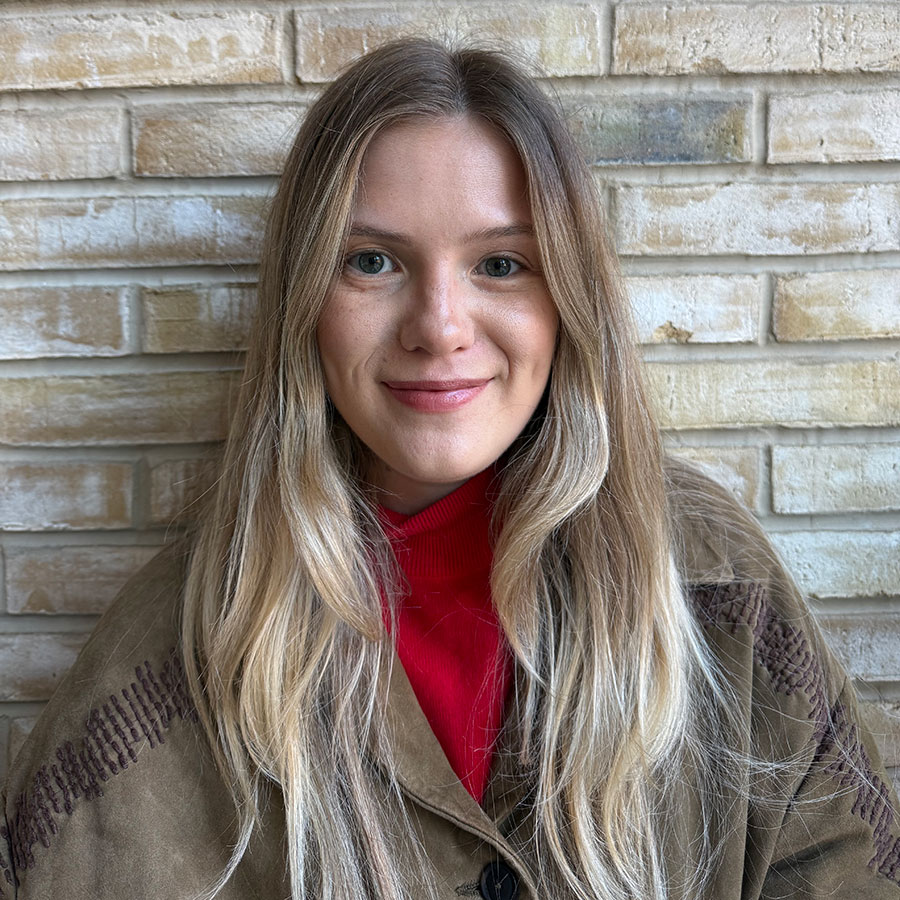
I am a current PhD student based at Moray House School of Education and Sport at the University of Edinburgh. My research interests stem from a social justice perspective and concern the educational, health and social care experiences of neurodivergent individuals. I have a particular interest in supporting autistic individuals, understanding autistic experience and fostering a more inclusive society that recognises autism as a form of human diversity. I am committed to research that is participatory, co-produced/produced by autistic individuals and other key stakeholders. At present I am focused on exploring the potential of cross-sector collaboration between social care and education to support improved educational experiences for autistic young people by developing autism specific education practices in mainstream high schools informed by lived experience. Ultimately, I aim to support improved school experiences for autistic young people. I have held various voluntary and professional support roles working with autistic people and their families over the last 10 years. I currently work part-time at Scottish Autism as the Policy and Research Assistant in which I continue to work from a practice and lived-experience informed position.
I am an Adult nurse of 25 years experience currently working in clinical research. I am myself a neurodivergent individual being diagnosed as ASD age 53. Since my diagnosis I have been passionate about increasing awareness of what Autism is and how to support neurodivergent colleagues in the workplace with informed knowledge and understanding of their needs and the challenges they may encounter in working environments. I am a Royal College of Nursing Learning Representative and I am currently part of an RCN’s working group updating the RCN’s informative resources on Neurodiversity, both for students, employees and managers. These resources are available for students, employees and managers as informative guides to support open and curious conversations about not only understanding Neurodiverse conditions but also how best to support neurodiverse individuals thrive both during their academic life and their professional lives also.